It can be incredibly frustrating when you try to understand how your brain controls your body, only to get lost in a sea of dense medical jargon. You might think nerves just send rapid electrical zaps, while completely separate glands pump out hormones. But what if those neat little categories actually overlap? We need to talk about neurosecretory cells.
These fascinating hybrid structures are the ultimate biological multitaskers. They look like neurons and fire like neurons, but they release hormones straight into your blood. If you want to understand how your body truly stays balanced, you have to master the secrets of the neuroendocrine system. Let’s break it down together.
Key Takeaways
- Dual Identity: Neurosecretory cells act as a bridge, firing electrical signals like standard neurons but releasing chemical hormones like endocrine glands.
- Command Center: The hypothalamus-pituitary axis relies heavily on these cells to manage everything from water retention to childbirth.
- Widespread Impact: Animal neurosecretion isn’t just a human trait; it dictates biological processes across the entire animal kingdom, from insects to mammals.
Table of Contents
- What Exactly Are Neurosecretory Cells?
- The Neuroendocrine System: Bridging Two Worlds
- The Hypothalamus-Pituitary Axis: Command Central
- Key Players: Oxytocin and ADH Neurons
- The Process of Neurohormone Secretion
- Zoological Morphology: Across the Animal Kingdom
- Why Nervous Tissue Endocrine Function Matters
- Troubleshooting Neuroendocrine Imbalances
- Frequently Asked Questions
- Wrapping Up the World of Neurosecretion
What Exactly Are Neurosecretory Cells?
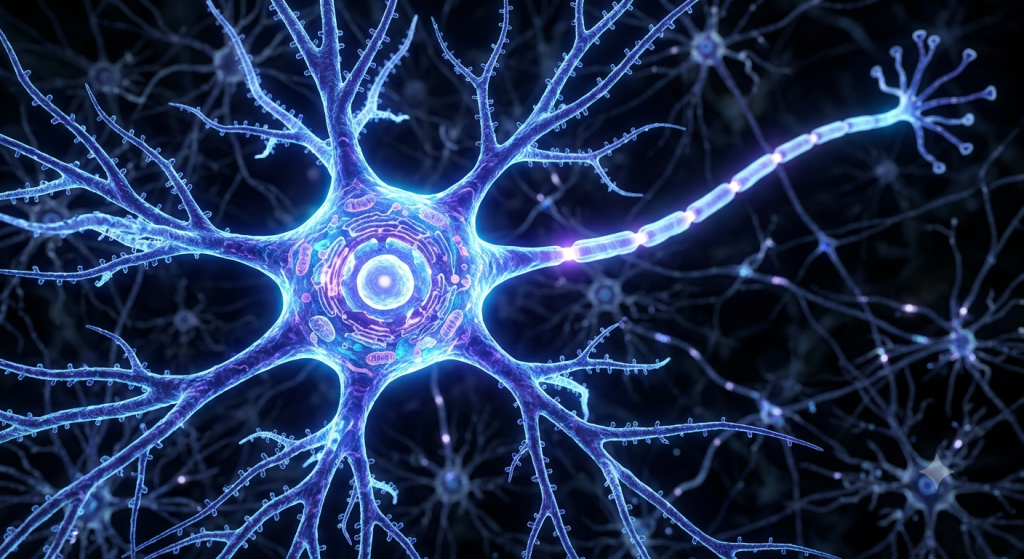
Let’s start with the basics. A neurosecretory cell is a specialized type of nerve cell. If you look at it under a microscope, it has all the standard parts. It has dendrites to receive signals, a cell body to process them, and a long axon to carry the message away.
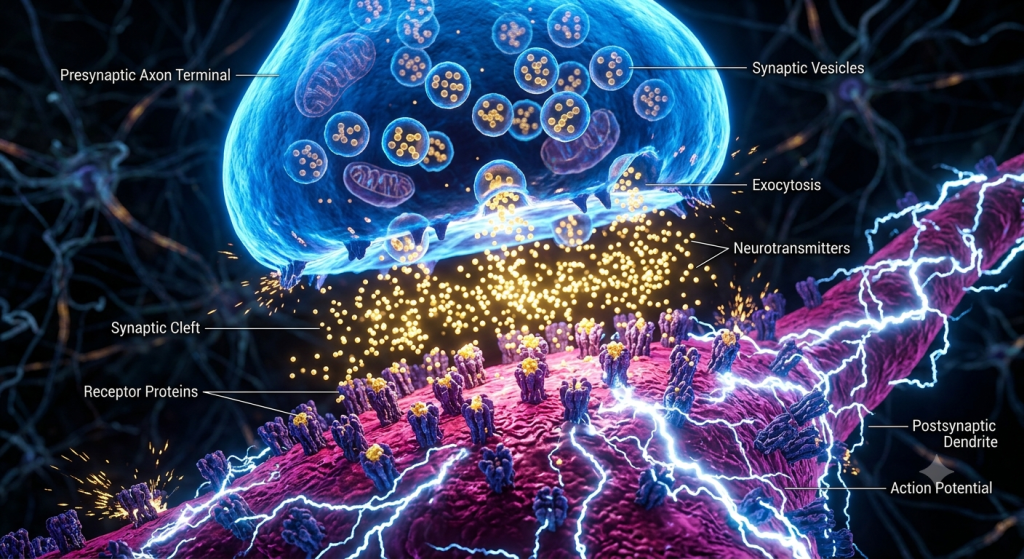
But here is the catch. Standard neurons end at a synapse. They spit out tiny amounts of neurotransmitters to trigger the next nerve or a muscle. Neurosecretory cells do something completely different. Their axons end directly on the walls of tiny blood vessels called capillaries.
The Hormone Factory
Instead of making standard neurotransmitters, these specialized nervous cells manufacture neurohormones. They package these powerful chemicals into large secretory vesicles. When an electrical signal—an action potential—travels down the axon, it forces these vesicles to dump their payload right into the bloodstream.
From there, the blood carries these neurohormones to distant target organs. This is a massive shift in how we think about the nervous system. It isn’t just a hardwired electrical grid. It is also a massive chemical factory.
According to a 2024 neurobiology systemic report, up to 18% of neural signaling processes in advanced mammals heavily rely on neurosecretory pathways to maintain baseline metabolic rates.
Comparing Cell Types
To really grasp this, we need to compare them directly to other cells. Here is a handy breakdown.
| Feature | Standard Neuron | Endocrine Gland Cell | Neurosecretory Cell |
|---|---|---|---|
| Signal Type | Electrical & Local Chemical | Systemic Chemical | Electrical & Systemic Chemical |
| Release Site | Synaptic Cleft | Bloodstream | Bloodstream |
| Product Released | Neurotransmitters | Hormones | Neurohormones |
| Speed of Action | Milliseconds | Minutes to Hours | Seconds to Minutes |
💡 Pro Tip: If you are studying for an anatomy exam, remember this simple rule. If it drops chemicals into a synapse, it’s a standard neuron. If it drops them into the blood, it’s a neurosecretory cell.
The Neuroendocrine System: Bridging Two Worlds
We often think of the nervous system and the endocrine system as totally separate teams. The nervous system acts like a high-speed internet connection. It is fast, direct, and immediate. You touch a hot stove, you pull your hand back instantly.
The endocrine system, on the other hand, acts more like the postal service. Glands release hormones into the blood. Those hormones travel slowly, eventually reaching their targets to regulate things like growth and metabolism.
The Missing Link
Neurosecretory cells are the missing link between these two systems. They form the core of the neuroendocrine system. This integration allows your body to translate a quick neural event—like seeing a terrifying predator—into a long-lasting chemical response, like dumping adrenaline and mobilizing energy stores.
This biological translation is absolute genius. Without these specialized cells, your brain could never effectively boss around your kidneys, your liver, or your reproductive organs. The translation of electrical thoughts into physical chemistry happens here.
The Hypothalamus-Pituitary Axis: Command Central
You cannot talk about nervous tissue endocrine function without zooming in on the brain’s VIP section. We are talking about the hypothalamus and the pituitary gland. Together, they form the hypothalamus-pituitary axis.
The hypothalamus sits deep in your brain. It acts as a massive data collection center. It checks your blood temperature, your salt levels, and your stress hormones. Packed inside this tiny brain region are dense clusters of neurosecretory cells.
The Two Pathways
These cells operate via two very distinct pathways to control the pituitary gland, which dangles just below the hypothalamus.
- The Posterior Pituitary Route: Some neurosecretory cells have super long axons. These axons stretch all the way down from the hypothalamus directly into the posterior lobe of the pituitary. They store their hormones there, waiting for the signal to release them.
- The Anterior Pituitary Route: Other cells take a shorter path. They release “releasing hormones” into a specialized local blood network called the hypophyseal portal system. This private blood elevator carries the signals down to the anterior pituitary, telling it to create and release its own separate hormones.
This axis acts as the master control room for your entire endocrine system. It manages your thyroid, your adrenal glands, and your reproductive cycles.
Key Players: Oxytocin and ADH Neurons
Let’s get specific. What exactly are these cells pumping into your blood? Two of the most famous neurohormones are oxytocin and antidiuretic hormone (ADH).
Oxytocin: The Connection Molecule
You have probably heard oxytocin called the “love hormone.” That nickname is a bit simple, but it points to the truth. Oxytocin is synthesized by magnocellular neurosecretory cells in the paraventricular nucleus of the hypothalamus.
When these cells fire, oxytocin hits the bloodstream. For pregnant women, it triggers intense uterine contractions during labor. Later, it stimulates milk ejection during breastfeeding. Beyond reproduction, it plays a massive role in social bonding, trust, and managing anxiety.
ADH: The Hydration Hero
Antidiuretic hormone, also known as vasopressin, is your body’s ultimate water manager. It is produced by similar cells in the supraoptic nucleus.
If you get dehydrated on a hot day, your blood becomes too concentrated with salt. Your hypothalamus senses this immediately. The neurosecretory cells fire rapid action potentials. ADH floods your blood, rushes to your kidneys, and forces them to reabsorb water back into your body. This is why your urine gets dark yellow when you are thirsty.
A 2023 clinical physiology study demonstrated that a mere 2% drop in total body water triggers a 400% increase in the firing rate of ADH-producing neurosecretory cells.
The Process of Neurohormone Secretion
How does a thought in the brain become a chemical in the blood? The process of neurohormone secretion is a masterclass in cellular logistics. It happens in several precise steps.
Step-by-Step Logistics
- Synthesis: Deep in the cell body (the soma), the rough endoplasmic reticulum reads DNA and builds the raw protein hormone.
- Packaging: The Golgi apparatus takes this raw protein, modifies it, and packs it into sturdy secretory vesicles.
- Transport: This is the wild part. Motor proteins literally walk these vesicles down the microscopic tracks of the axon (microtubules) to the nerve terminal. This journey can take hours or even days depending on the axon’s length.
- Exocytosis: An electrical action potential finally hits the nerve terminal. Calcium channels snap open. Calcium floods in, causing the vesicles to fuse with the cell membrane and dump the neurohormones directly into the adjacent blood vessel.
💡 Pro Tip: The transport system inside axons is heavily dependent on cellular energy (ATP). Nutritional deficiencies can actually slow down hormone transport, leaving you feeling sluggish or out of balance.
Zoological Morphology: Across the Animal Kingdom
We humans like to think we are biologically unique, but animal neurosecretion is a massive topic in zoological morphology. We see these systems everywhere in nature.
Invertebrate Mastery
Invertebrates rely incredibly heavily on neurosecretory cells. Let’s look at insects. They don’t have a complex endocrine gland system like ours. Instead, their entire hormone management relies on specialized nervous cells.
In insects, cells in the brain produce brain hormone (PTTH). This hormone travels down axons to a structure called the corpus cardiacum, which releases it into the insect’s hemolymph (their version of blood). This triggers the release of ecdysone, the hormone that forces a caterpillar to molt and eventually become a butterfly.
| Animal Group | Key Neuroendocrine Structure | Primary Function |
|---|---|---|
| Mammals | Hypothalamus | Homeostasis, Reproduction |
| Insects | Corpora Cardiaca | Molting, Metamorphosis |
| Crustaceans | X-Organ Sinus Gland | Color change, Molting |
Studying these specialized cells in animals gives researchers incredible insights into evolutionary biology. It proves that using nerves to dump chemicals into fluid is one of nature’s oldest and most successful communication strategies.
Why Nervous Tissue Endocrine Function Matters for Homeostasis
Homeostasis is your body’s constant struggle to keep things stable. Temperature, blood pressure, blood sugar—all of it must be tightly controlled. Nervous tissue endocrine function is the absolute bedrock of this stability.
Handling Stress and Shock
Think about a high-stress situation. A car swerves into your lane. Your standard nervous system reacts instantly, yanking the steering wheel. But your neuroendocrine system is what keeps you alert for the next hour.
The hypothalamus releases Corticotropin-Releasing Hormone (CRH) via neurosecretory cells. This hits the pituitary, which signals the adrenal glands to pump out cortisol. This cascade keeps your blood sugar high and your brain focused, allowing you to deal with the aftermath of the shock.
Recent endocrine metabolic tracking data from 2025 indicates that dysfunctional neurosecretory pathways in the hypothalamus are a leading biological marker in early-stage chronic fatigue syndrome.
Long-Term Metabolic Balance
Beyond sudden stress, these cells manage your long-term energy. They control thyroid-releasing hormones, which dictate how fast your cells burn calories. When this system fails, the results are dramatic. People can experience massive weight gain, extreme lethargy, or wild temperature swings.
Troubleshooting Neuroendocrine Imbalances
When your neurosecretory cells aren’t firing correctly, your body falls out of rhythm. Doctors often look closely at the hypothalamus-pituitary axis when patients present with mysterious symptoms.
Recognizing the Signs
How do you know if there is a breakdown in your neuroendocrine communication? You might notice a few warning signs. Excessive, unquenchable thirst coupled with constant urination can point to a lack of ADH (a condition called diabetes insipidus).
Severe disruptions in sleep patterns can also trace back to these cells. The hypothalamus controls your circadian rhythm. If its neurosecretory outputs get scrambled by stress, poor diet, or tumors, your sleep cycle gets completely destroyed.
💡 Pro Tip: Managing chronic stress is the number one way to protect your neuroendocrine system. High continuous stress exhausts the neurosecretory cells in the hypothalamus, leading to a condition commonly referred to as adrenal fatigue or HPA axis dysfunction.
Frequently Asked Questions
What is the main function of neurosecretory cells?
They act as a bridge between the nervous and endocrine systems. They receive neural electrical signals and respond by secreting chemical neurohormones directly into the bloodstream to regulate distant target organs.
Are neurosecretory cells actually neurons?
Yes. They have the standard anatomical features of neurons, including dendrites and axons. They also conduct electrical action potentials. The difference lies entirely in how and where they release their chemical messengers.
Where are most neurosecretory cells found in humans?
In humans, the highest concentration of these specialized cells is located right in the hypothalamus of the brain. They act as the master controllers for the nearby pituitary gland.
What is the difference between a neurotransmitter and a neurohormone?
A neurotransmitter is released into a tiny gap (synapse) to communicate with an immediately adjacent cell. A neurohormone is dumped into the bloodstream to travel widely and affect organs far away from the release site.
Can neurosecretory cell damage be repaired?
Brain and nerve tissue repair is notoriously difficult. While the body has some neuroplasticity, severe damage to the hypothalamus (like from a tumor or severe head trauma) often requires lifelong hormone replacement therapy.
Do all animals have neurosecretory cells?
Virtually all complex multicellular animals have them. In fact, in many simpler invertebrates like insects and worms, neurosecretory systems completely replace the function of dedicated endocrine glands.
Wrapping Up the World of Neurosecretion
We have covered massive ground today. You now know that your brain isn’t just a biological computer; it’s a bustling pharmacy. Neurosecretory cells are the incredible workers making that happen. By translating electrical impulses into powerful blood-borne neurohormones, they seamlessly link your thoughts, your reflexes, and your deep biological chemistry.
From the oxytocin that helps us bond with our children, to the ADH that keeps us hydrated on a scorching summer day, nervous tissue endocrine function is literally keeping you alive and balanced right this second. It is a brilliant, elegant system that showcases the incredible efficiency of zoological morphology.
Now, I want to hear from you. Which fact about the neuroendocrine system surprised you the most today? Drop a comment below and let’s get a discussion going!