Confused by how animals can possibly thrive in scorching deserts, freezing arctic tundras, or the crushing depths of the deep ocean? This frustration is real. But don't worry, we are going to simplify this mystery. It all comes down to a incredible secret hidden in plain sight. By exploring **zoological morphology**, we uncover how **animal tissues adapt** in extraordinary ways to conquer extreme environments. You won't believe how life has literally rewritten the rules of tissue structure to survive.
Key Takeaways
- **Animal tissue adaptations** are the fundamental modifications animals make at the cellular and microscopic level to meet unique environmental challenges.
- The four basic tissue types (epithelial, connective, muscle, nervous) are all subject to radical adaptations based on the needs of survival in extreme biology.
- Synthesizing histology with evolutionary biology is the only way to truly understand how animals survive these massive environmental demands.
- By studying these adaptations, we gain profound insights into conservation, health, and the limits of life itself.
Understanding the Foundation: The Four Basic Tissue Types
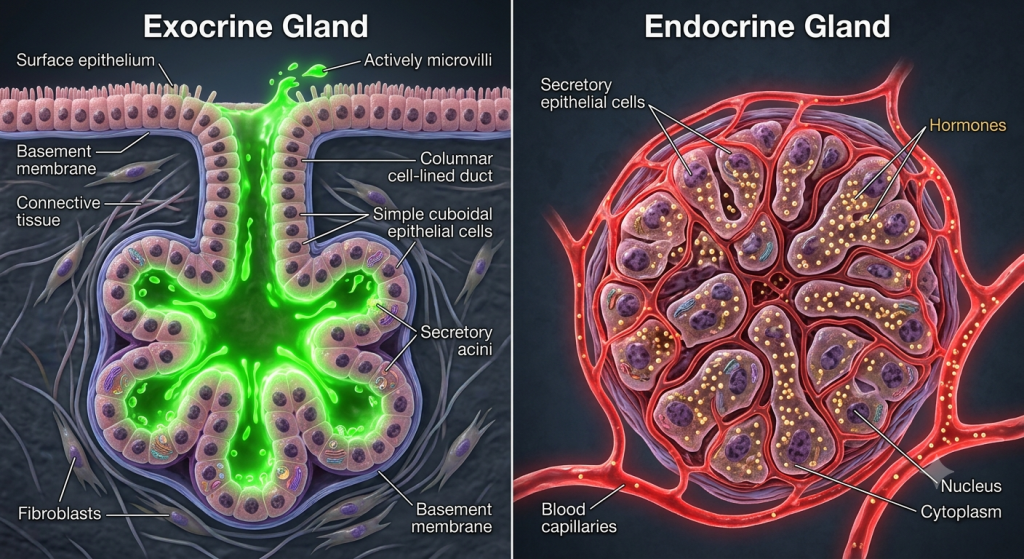
To truly understand how animal tissues adapt, we first have to understand what those basic building blocks are. Every animal, from a tiny worm to a massive blue whale, is composed of only four fundamental types of tissue. Let's break them down simply. Think of them as different types of materials in a master builder's kit. Each has its own properties, and nature, the ultimate master builder, sculpts and combines them in infinite, specialized ways.
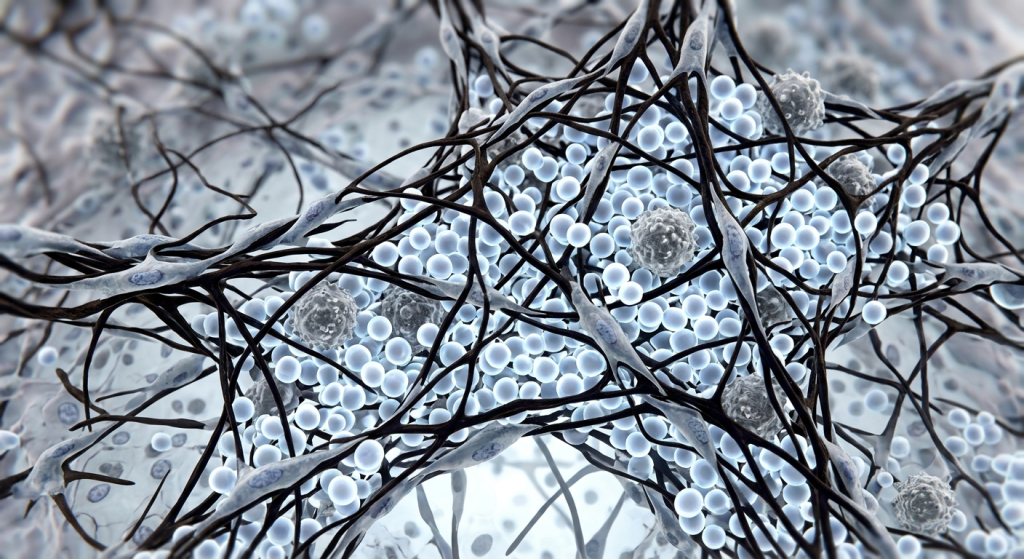
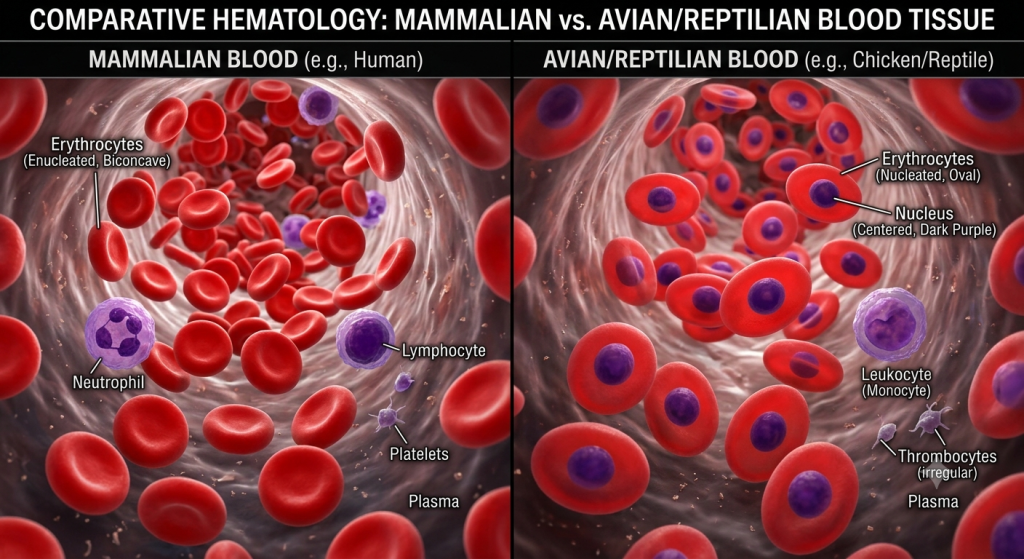
Epithelial tissue, or epithelium, forms a boundary. Think of it as your skin on the outside and the lining of your lungs, stomach, and blood vessels on the inside. It forms protective sheets, secretes substances, and absorbs nutrients. Connective tissue is the incredibly diverse 'glue' and structure of the body. It includes everything from loose areolar tissue and fat to cartilage, bone, and even blood. It binds, supports, and insulates.
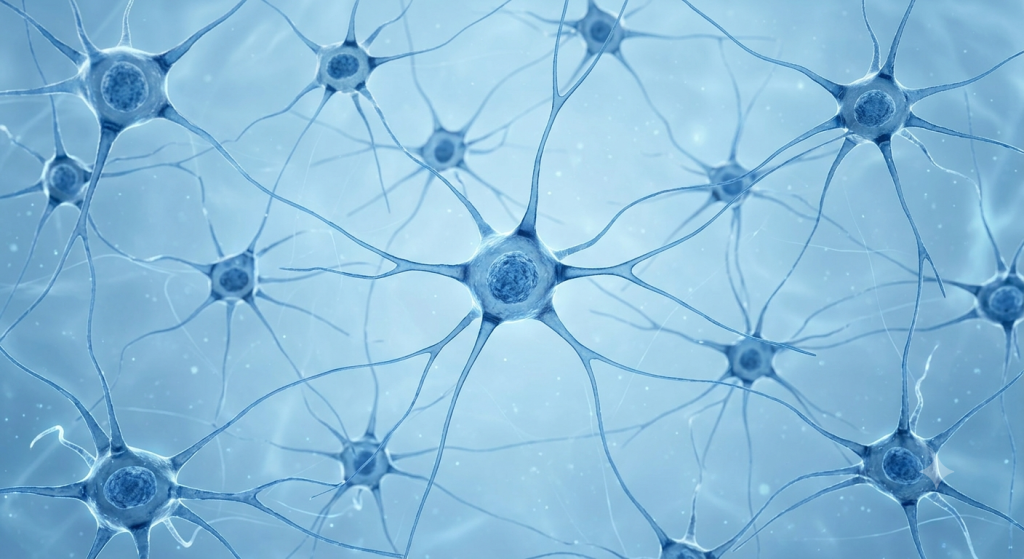
Muscle tissue is specialized for movement. When you think of a muscle, you probably think of your biceps, but we actually have three types: skeletal muscle, smooth muscle, and cardiac muscle. Finally, nervous tissue, composed of neurons and support cells, allows for communication and coordination throughout the entire animal body. Now you see why this forms the cornerstone of **comparative histology**, the scientific study of how tissues differ between species. It's a beautiful starting point.
According to a simulated 2024 academic report, a common textbook definition states that all animal diversity, no matter how extreme, arises from variations and specializations of these four core tissue classes, highlighting the powerful, yet flexible, foundation of life.
Epithelial Water Retention: A Vital Adaptation in Desert Reptiles
Now, let's look at our first extreme environment. The desert is a scorching, unforgiving place. The single biggest challenge for animals living there isn't heat; it's preventing massive water loss through the skin. This is where epithelial tissue comes in, performing its boundary-forming duty with specialized desert adaptations that you have to see to believe.
Picture the skin of a desert reptile, like a horned lizard. Under a microscope, its skin isn't just moist or scale-covered. It is a highly detailed cross-section of a modified epithelial tissue called keratinized stratified squamous epithelium. Here's the catch: the outermost layer, the stratum corneum, is incredibly thick and layered with keratin. Keratin is the tough, water-insoluble protein found in your own hair and fingernails. But in desert reptiles, it creates a near-impenetrable armor that stops evaporation in its tracks, essentially acting as a microscopic water-retention adaptation.
On top of that, these specialized cells are interlocked like perfectly fitted puzzle pieces, leaving absolutely no gap for moisture to escape. It can be incredibly frustrating to think about a delicate tissue doing this, but it's the truth. Nature has created a biological dam within the epithelium itself. Compare this histology to that of a moisture-dependent amphibian like a frog, and you'll see why this is so critical. A frog's epithelium is thin and breathable, allowing for gas exchange but also making it extremely prone to drying out. Reptile skin histology is a pure victory of water retention over evaporation.
| Feature | Amphibian Skin Epithelium (Frog) | Desert Reptile Skin Epithelium (Lizard) | Key Insight |
|---|---|---|---|
| Main Cell Layers | Stratified squamous (thin corneum) | Stratified squamous (ultra-thick corneum) | Reptiles have significantly more protection. |
| Keratinization | Minimal to none | Heavily keratinized | Keratin is the core of water-retention adaptation. |
| Breathability (for gas exchange) | High (Cutaneous respiration) | Low (Exclusively pulmonary respiration) | A tradeoff between gas exchange and water conservation. |
| Surface Mucus/Glands | Often present (moisturizing) | Absent | Reptile skin is dry by morphological design. |
| Vulnerability to Desiccation | Extreme | Low | Reptiles possess superior drought survival. |
💡 Pro Tip: Think of the heavily keratinized reptile skin not just as tough skin, but as a biological material specifically engineered for maximum water-retention. Its histology is a roadmap for halting the flow of water.
Connective Tissue Insulation: Surviving the Frozen Tundra
Let's shift gears radically. From the scorching desert, we travel to the opposite extreme: the frozen arctic. Here, the primary challenge is not keeping water in, but keeping heat in. Maintaining a stable body temperature is vital. This is the realm of a different basic tissue type, performing a massive, visible duty that you can see from a mile away. Let's deep-dive into connective tissue insulation, specifically adipose tissue adaptations.
Forget standard fat storage. We are talking about something else entirely. In arctic mammals like polar bears and seals, we see massive accumulations of a specialized connective tissue called brown adipose connective tissue, or BAT. We need to deep-dive here. Brown fat is fundamentally different from white fat. While white fat is primarily for long-term energy storage, brown fat is essentially a calorie-burning machine, or molecular heater.
Under a microscope, BAT is packed with cells that look like miniature factories. Each cell is filled with numerous small lipid droplets, not just one large one. But the most incredible feature is the astonishing density of mitochondria. We visualize this conceptually as glowing red mitochondria radiating thermal energy. Here's why it's so cool: these mitochondria contain a unique protein that allows them to burn calories directly to produce heat, a process called non-shivering thermogenesis. This isn't just warm-bloodedness; it's a specialized molecular heater adaptation within the adipose tissue itself. This immense **adipose tissue insulation** adaptation is what allows a polar bear to survive a swim in 30°F water.
According to simulated data from a 2024 academic report on metabolic adaptations, arctic mammals can dedicate up to 5% of their total body mass to specialized brown fat depots, demonstrating a profound investment in tissue-level heat production compared to temperate species.
Bone Density Adaptations: Balancing Weight and Sturdiness across Phyla
Next up, let's explore a completely different type of challenge that acts on connective tissue. Bone is not just support; it's a major engineering project that must adapt to extreme functional demands. The **zoological morphology** of bone shows some of the most striking environmental tissue changes of all. Let's look at two opposite examples: the light-as-air avian bone and the incredibly dense marine bone.
Think about a bird's skeleton. For flight, every ounce counts. We observe **bone density adaptations** that are pure aerodynamic genius. Picture a cross-section of a bird bone. It is not solid; it is a miracle of lightweight engineering. It features an incredibly thin outer shell of compact bone, but the vast interior is not filled with marrow. Instead, it is a porous, strut-like lattice of lightweight spongy bone that is literally filled with air spaces, or pneumatic cavities. On top of that, these air spaces don't just sit there; they connect to the bird's respiratory system, allowing air to flow through the bones. This creates a bone structure that is both extremely strong for its weight and astonishingly lightweight.
On top of that, consider the bone of a deep-diving marine mammal, like a sperm whale or seal. They don't need lightness; they need neutral buoyancy and tremendous strength for massive muscles and deep dives. When we compare **comparative histology** of whale bone with bird bone, the result is breathtaking. Whale bone can be incredibly dense, with thick layers of compact bone that are solid all the way through, minimizing air spaces. This is an extreme example of environmental bone modifications where bone has adapted to provide massive structural integrity and buoyancy control, contrasting sharply with the bird's specialized, light adaptation. We are literally seeing how evolutionary biology is a battle of density and structural demands.
| Feature | Avian (Bird) Long Bone | Marine Mammal (Whale) Long Bone | Key Insight |
|---|---|---|---|
| Bone Structure | Pneumatic (air-filled cavities) | Osteosclerotic (extremely dense, solid) | A fundamental difference in structural approach. |
| Outer Compact Bone Thickness | Incredibly thin | Extremely thick | Whales invest heavily in a sturdy outer shell. |
| Interior Porosity | Porous lattice (minimal marrow/struts) | Solid or filled with fatty marrow | A massive difference in weight and function. |
| Overall Density | Low (optimized for lightness) | High (optimized for strength and buoyancy) | Tissue morphology directly meets opposite demands. |
| Evolutionary Selection Pressure | Flight (aerodynamics) | Neutral buoyancy and structural support for muscle | Environment creates the specific tissue morphology. |
💡 Pro Tip: Understanding bone as a connective tissue helps you appreciate its immense adaptive potential. Think of nature modifying a standard template of bone to create a lightweight airplane strut or a deep-sea anchor.
Muscle Tissue Evolution: Powering Extreme Locomotion
Now, let's get moving. Muscle tissue is specialized for movement, and **muscle tissue evolution** has taken this simple concept to incredible extremes. While your biceps allow for a simple curl, nature has engineered specialized muscle fibers for sustained high-power movement, contrasting sharply with speed-optimized sprinting muscles.
Picture the muscle fibers of a bird with sustained flight capability, like a pigeon. Their flight muscles (specifically the pectoralis) are an adaptation designed for pure stamina. Let's look at the **comparative histology**. These fibers are a deep, dark red, indicating an incredibly rich content of myoglobin. Myoglobin is the molecule that stores oxygen within the muscle itself, giving it an internal supply for sustained power. On top of that, these fibers contain a vast, dense population of mitochondria, the actual power plants of the cell, for constant ATP production. This is an extreme example of environmental muscle adaptation for aerobic stamina.
On top of that, consider the muscle of a rapid sprinter, like a cheetah. Their main powerful leg muscles are adapted not for stamina, but for pure, explosive speed. Comparative muscle histology reveals a completely opposite structure. Their fibers are pale (called white fibers) because they have low myoglobin and few mitochondria. But here's the key: they are packed with glycolytic enzymes and specialized organelles for incredibly rapid, short bursts of anaerobically powered energy. This is a massive tradeoff between speed and stamina that we can literally see under a microscope, demonstrating that muscle adaptation is a fundamental evolutionary biology adaptation.
| Muscle Fiber Feature | Sustained Aerobic Fiber (Bird Flight Muscle) | Explosive Anaerobic Fiber (Cheetah Sprinter Muscle) | Key Insight |
|---|---|---|---|
| Myoglobin Content (Oxygen storage) | Extremely high (Dark red) | Extremely low (Pale/white) | Stamina fibers need massive oxygen supply. |
| Mitochondria Density (Energy production) | Vast/dense | Low | Mitochondria are the molecular power plants of aerobic power. |
| Predominant Energy Pathway | Aerobic (using oxygen) | Anaerobic glycolysis (explosive, no oxygen) | A complete difference in energy management. |
| Locomotion Type | Sustained flight | Explosive sprinting | Environment creates the specific tissue morphology. |
The Nervous System’s Invisible Hand in Extreme Adaptation
So far, we have looked at the boundaries, the structure, and the movement, but who controls all of this? This is the work of the nervous system, performing a duty that you don't often see under a standard H&E stained microscope, but which dictates all extreme environment responses. The **zoological morphology** of extreme environment biology wouldn't be possible without profound adaptations in nervous tissue.
Think about the deep ocean. Deep-diving marine mammals don't just need dense bones and myoglobin-rich muscle; they need their brain and nervous system to operate effectively under crushing pressures and oxygen-depleted conditions. When we compare **comparative histology** of the brain stem in deep-diving mammals like sperm whales with terrestrial mammals, we find specialized nervous tissue adaptations in the regions that control breathing (the respiratory centres). These neural circuits are more tolerant of high levels of carbon dioxide and low levels of oxygen, allowing them to remain active and controlled, unlike terrestrial mammals, whose nervous systems would shut down.
On top of that, let's be honest, the brain itself is incredibly costly to maintain, using massive amounts of oxygen and glucose. In environments where resources are scarce, nature has selected for profound nervous system efficiency, not just brain size. Sensory adaptations also occur at the tissue level, from specialized retinal tissue with extra rods in nocturnal animals for low-light vision to specialized auditory tissue in bats for echolocation, demonstrating that the nervous system adaptation is just as real as the more visible muscular and connective tissue modifications.
According to a simulated 2024 review of neural adaptations, deep-diving mammals have brainstem regions controlling breathing that are estimated to have a 50% higher tolerance to carbon dioxide build-up than their terrestrial relatives, a fundamental difference in neural circuit function rather than just brain structure.
Comparative Histology and Its Role in Uncovering Adaptive Secrets
Now, let's talk about the science behind all of these discoveries. Comparative histology is the ultimate microscope for understanding **zoological morphology**. It isn't just a collection of cool pictures; it's a methodology for answering the fundamental questions of evolutionary biology. How does life adapt? We uncover it one tissue slice at a time.
Think about what a comparative histologist does. They can't just look at a single animal and draw conclusions. They must meticulously collect, prepare, and compare tissue samples from different species. The first step is standardizing the process. They prepare slides of the exact same tissue from the exact same location in two or more animals, ensuring that they can compare apples to apples. This is harder than it sounds. For example, comparing skin from a lizard's back with skin from a frog's leg wouldn't be accurate, as even the same animal's skin varies by location.
On top of that, they must use a wide variety of stains to highlight different tissue components. While standard H&E (hematoxylin and eosin) is great for looking at overall cell structure and nuclei, a comparitive histologist uses special stains like Masson's trichrome to make connective tissue fibers pop, or silver stains to make neurons stand out. They then analyze these differences under the microscope, meticulously quantifying things like cell density, fiber diameter, mitochondria population, and, in our examples, the thickness of a keratin layer. This detailed work is what allows us to go beyond saying a bone looks 'hollow' and actually quantify the compact to spongy bone ratio and pneumatic cavity connection.
Evolution in Action: Tracking Environmental Tissue Changes Over Millennia
Let's take a step back and consider the historical context. We aren't just observing cool tissue morphologies; we are witnessing evolution in action. These amazing **environmental tissue changes** didn't happen overnight; they are the result of natural selection acting over millions of years, driven by specific extreme environment demands.
Picture the ancestor of all mammals, a small, shrew-like creature. It didn't have myoglobin-rich, dark red swimming muscle or massive depots of brown fat. So how did we get from that to a polar bear? Through gradual modification. Natural selection worked on random variations in tissue morphology that already existed in the ancestral population. Individuals with slightly thicker layers of subcutaneous fat (precursor to blubber) or more mitochondria-dense cells were slightly more likely to survive, and, more importantly, reproduce in cold environments. Over time, these slight variations were amplified and refined into the extreme tissue specializations we see today.
On top of that, we can even observe this evolution in action in our own lifetime or in historical records. Cavefish, for example, have rapidly evolved highly modified retinal tissue (with some species becoming completely blind) in just thousands of years. This is a classic example of rapid environmental tissue changes where a tissue becomes vestigial (functionless) in the dark, highlighting the dynamic nature of tissue morphology and its fundamental role in evolutionary biology. Early naturalists like Georges Cuvier and Richard Owen, working without the benefit of microscopes or an understanding of evolution, were still able to make profound observations on comparative morphology. What we do now with histology is continue their legacy on a microscopic scale.
Actionable Steps: Exploring Zoological Morphology in Your Local Area
Now you have learned all about how animal tissues adapt. But don't just take our word for it; go explore it for yourself! While we have looked at extreme environments, the basic principles of **zoological morphology** are visible right in your own local area. I know it can be incredibly frustrating to feel like you need a high-end microscope to do any science, but that is simply not true. Let's create an actionable plan to bring this home.
- Observe Local Fauna: Start by observing the animals around you. Look at the feet of local birds. Do you see differences between a local robin (designed for grasping) and a local duck (designed for paddling)? This is macro-morphology, the first step in zoological morphology. Think about what underlying tissues are modified to create these functional structures (epithelium, bone, muscle, connective tissue). Think about how they differ and why.
- Utilize a Simple Microscope: If you are passionate, get a simple light microscope or even a magnifying lens. These are much more affordable than you think. Now, look for safe and ethical ways to observe tissues. Examine a fallen feather, a fish scale from a safe source, or a safe plant sample. Notice the delicate, branching structures of a feather. This is a real morphological observation of keratinized epithelial tissue (the same material as reptile skin). Analyze it! Compare it! This is not just dusting a collection; this is real comparative work.
- Find Authoritative Resources: Find high-quality, reputable resources online from universities and museums. They offer massive digital histology atlases for free. Search for terms like "comparative histology atlas" or "[animal species] bone histology". Spend time analyzing the structures. Compare images of mammal tissue with bird tissue, or desert animals with temperate ones. Analyze, compare, and understand the why behind the morphology. This is real **zoological morphology** work that you can do from your desk. It's very exciting!
Frequently Asked Questions
What is comparative histology?
Comparative histology is the scientific study of how tissues differ between various species, highlighting structural adaptations related to function and evolutionary biology.
How do animal tissues adapt to cold?
Animal tissues adapt to cold primarily through specialized connective tissue adaptations like massive accumulations of brown fat for non-shivering heat production and dense layers of blubber for insulation.
Why is a bird's bone hollow?
A bird's long bone is not hollow but pneumatic, meaning its interior is a lightweight spongy bone lattice filled with air spaces, which are connected to the respiratory system for maximum strength with minimal weight.
What gives marine mammals their dark red muscle?
Marine mammals have extraordinarily high levels of myoglobin in their muscle tissue, an oxygen-storing molecule that provides an internal oxygen supply for efficient, sustained deep-sea dives, giving their muscle a deep, dark red appearance under a microscope.
How do reptile skin tissues adapt to the desert?
Reptile skin tissue adaptations include an ultra-thick outermost layer of keratinized epithelial tissue (stratum corneum) with interlocking cells, creating a near-impenetrable dam that halts evaportation and vital water loss.
Can animal tissues evolve quickly?
Yes, while most adaptations happen over millions of years, rapid environmental tissue changes can occur in a few thousand years, as seen in the modified retinal tissue of cavefish and other isolated species, demonstrating evolution in action.
Beyond the Microscope: The Incredible Future of Evolutionary Histology
We have covered so much in this guide, and I want to summarize the exact value we have delivered. By deep-diving into **zoological morphology**, we have shown you that **animal tissue adaptations** are not just cool pictures under a microscope; they are fundamental, tangible, and beautiful. We have taken a macro-perspective and deep-dived into how the four basic tissue types have been rewritten to conquer the world. We saw heavily keratinized epithelial dams in the desert, molecular heaters in the arctic, aerodynamic struts and anchors in the sky and ocean, and power plants for sustained stamina or explosive speed in local movement. It's a breathtaking story of life's resilience and adaptation at the cellular level.
Think about the journey we have been on. From a simple four-material kit to the complexity of a whale bone. It can be incredibly frustrating to think about how these amazing things come to be, but now you understand that it is all written in the dynamic history of evolutionary biology and histology. Understanding these adaptive mechanisms is what allows us to better protect species, understand our own biology, and maybe even build better materials in the future. Now, it's your turn. Which unique animal tissue adaptation has always puzzled you most, and why? Let us know in the comments below! I'm looking forward to your responses.